






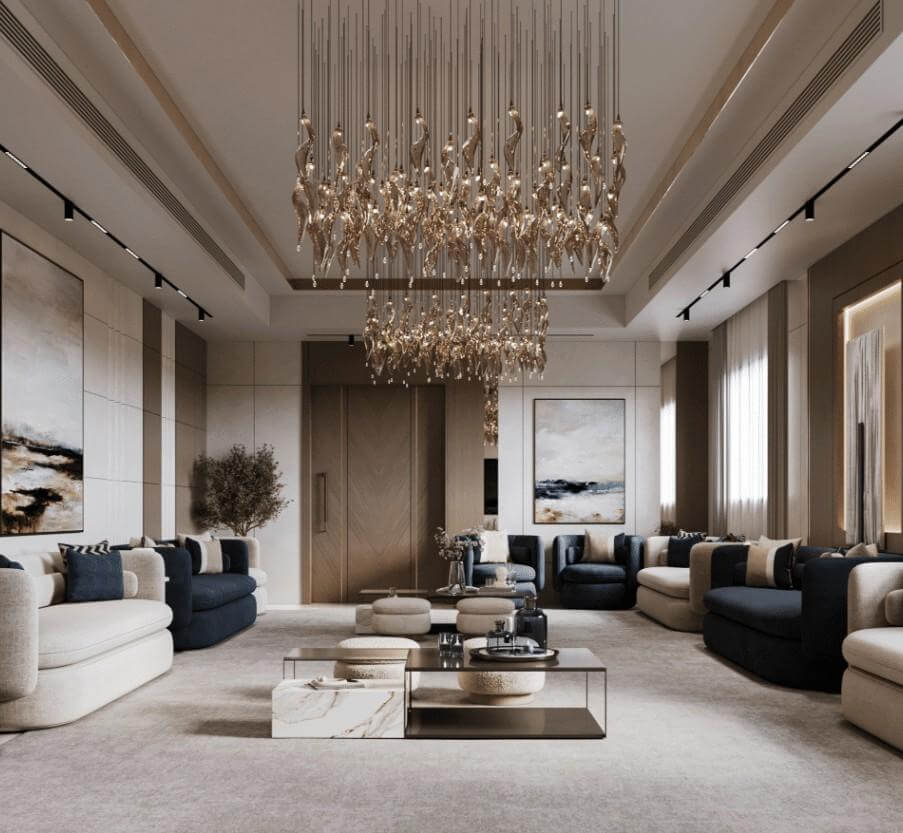
A home filled with cultural touches feels alive with memory, meaning, and personality. Cultural design goes far beyond simple decoration; it acts as a bridge connecting personal history to daily living spaces. Every object, fabric, and color choice can carry the spirit of a heritage.
The real challenge lies in weaving these elements together with grace and authenticity. A skilled interior designer Dubai knows that cultural details demand respect, research, and a thoughtful eye for balance and harmony.
Start with a single meaningful object:
One powerful artifact can anchor an entire room’s design concept. Search for handmade ceramics, vintage textiles, or hand-carved wooden items that genuinely speak to a specific tradition. Place that object in a prominent spot and let it guide complementary choices.
Allow the texture, color, and form of that piece to dictate the room’s overall direction. A single woven basket or painted pottery piece can set the emotional tone for a whole living area. This approach prevents clutter and keeps the cultural reference clear and impactful.
Use color and pattern with purpose:
Every culture has signature palettes and repeating patterns found in traditional arts. Research these motifs and incorporate them through wallpaper, rugs, or throw pillows. Geometric designs, floral repeats, or bold stripes can bring regional character without overwhelming a space.
Balance vivid patterns with neutral walls to avoid visual chaos and competition. Use these patterns in smaller doses, such as on upholstery or window treatments. Patterned accessories offer an easy way to test cultural aesthetics before committing to larger installations.
Layer textures from different traditions:
Mixing materials like rattan, silk, wool, clay, and brass creates a rich visual tapestry indoors. Combine a smooth ceramic vase with a rough-hewn wooden stool for interesting contrast. Pair glossy tiles with matte, handwoven wall hangings to add depth.
Texture acts as a silent language of cultural craftsmanship and regional resources. Layering various finishes brings warmth and authenticity to any room. This technique works beautifully in both modern and classic interiors.
Display functional art and everyday tools:
Utensils, cooking vessels, and farming tools hold deep cultural meaning across many societies. Hang a collection of copper pots on a kitchen wall or arrange wooden bowls on open shelving. These practical pieces tell stories of daily life, work, and family meals.
Functional art connects people to ancestral routines and shared community practices. Everyday objects become conversation starters and visual anchors in the home. Such displays honor the beauty found in ordinary cultural artifacts.