






A custom sculpture starts with a clear conversation between the client and artist. Before work begins, the artist must understand the idea, setting, size, materials, finish, and mood. A strong brief gives both sides a shared reference and helps reduce confusion during production. It also gives the artist room to add creative skill while staying close to the client’s original vision.
In the following paragraphs, you will learn how to discuss your plan with an artist.
Share the main idea
Start with a simple description of the custom sculpture. Explain the subject, theme, story, or message behind it. If you have sketches, reference images, colors, or examples, include them. These details give the artist a clear starting point. Avoid filling the brief with complicated artistic terms. Plain language works well. Tell the artist what you want people to notice first and what mood the piece should express.
Explain the location
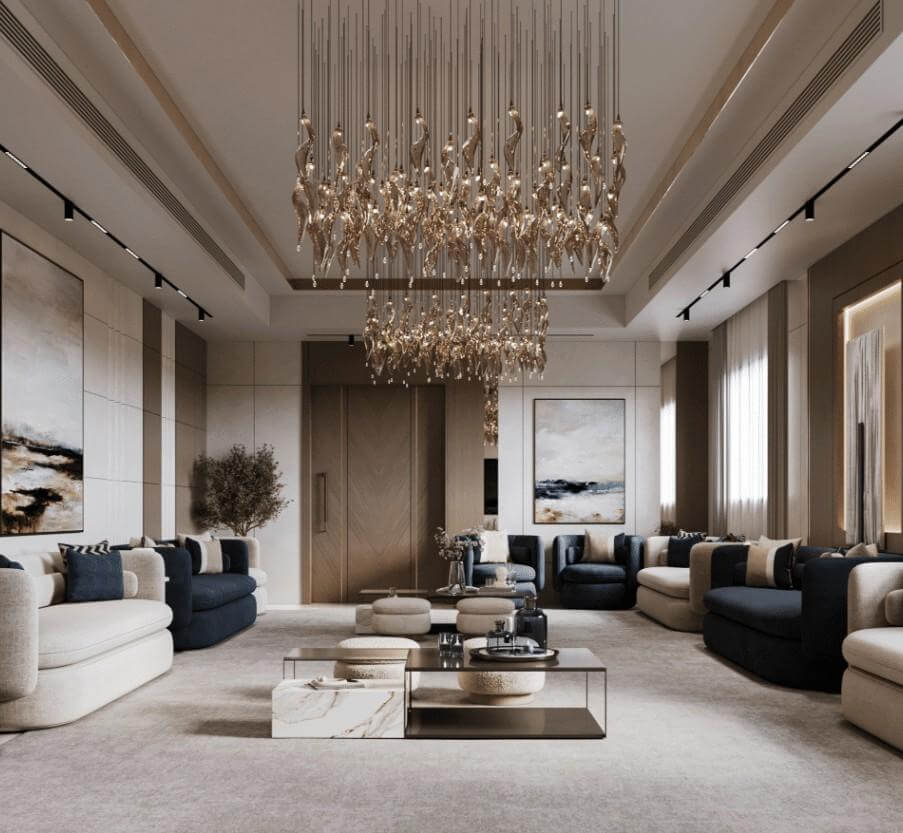
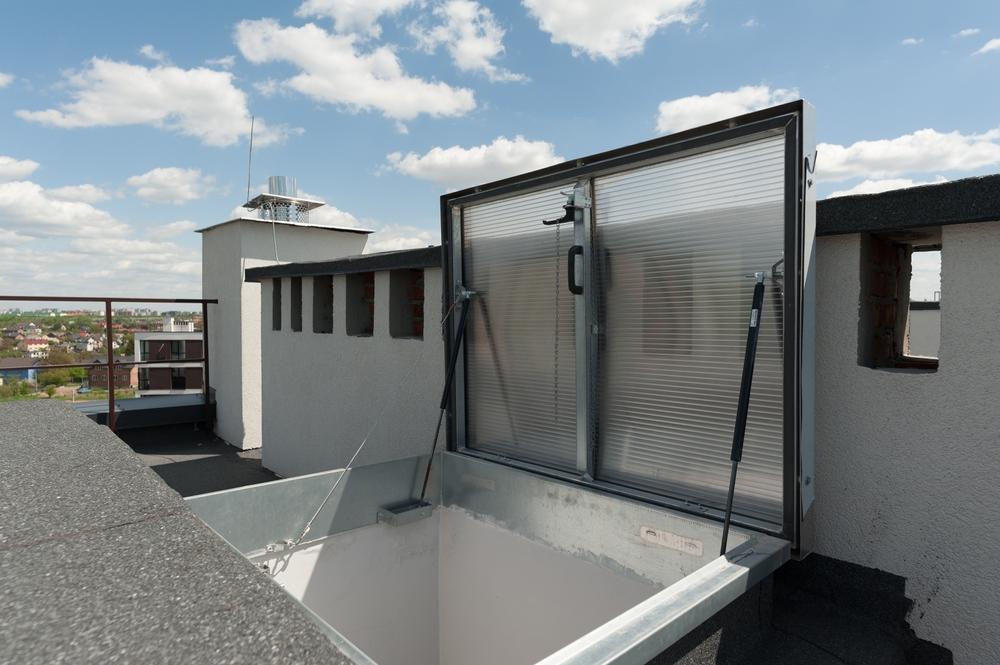
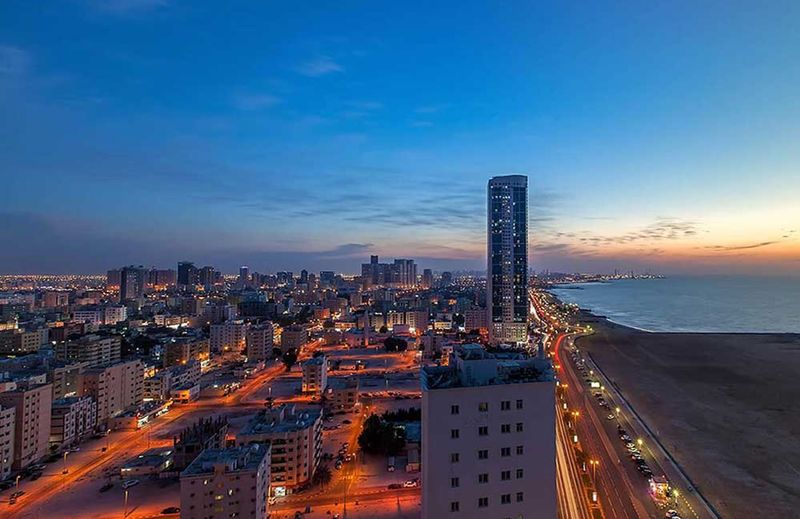
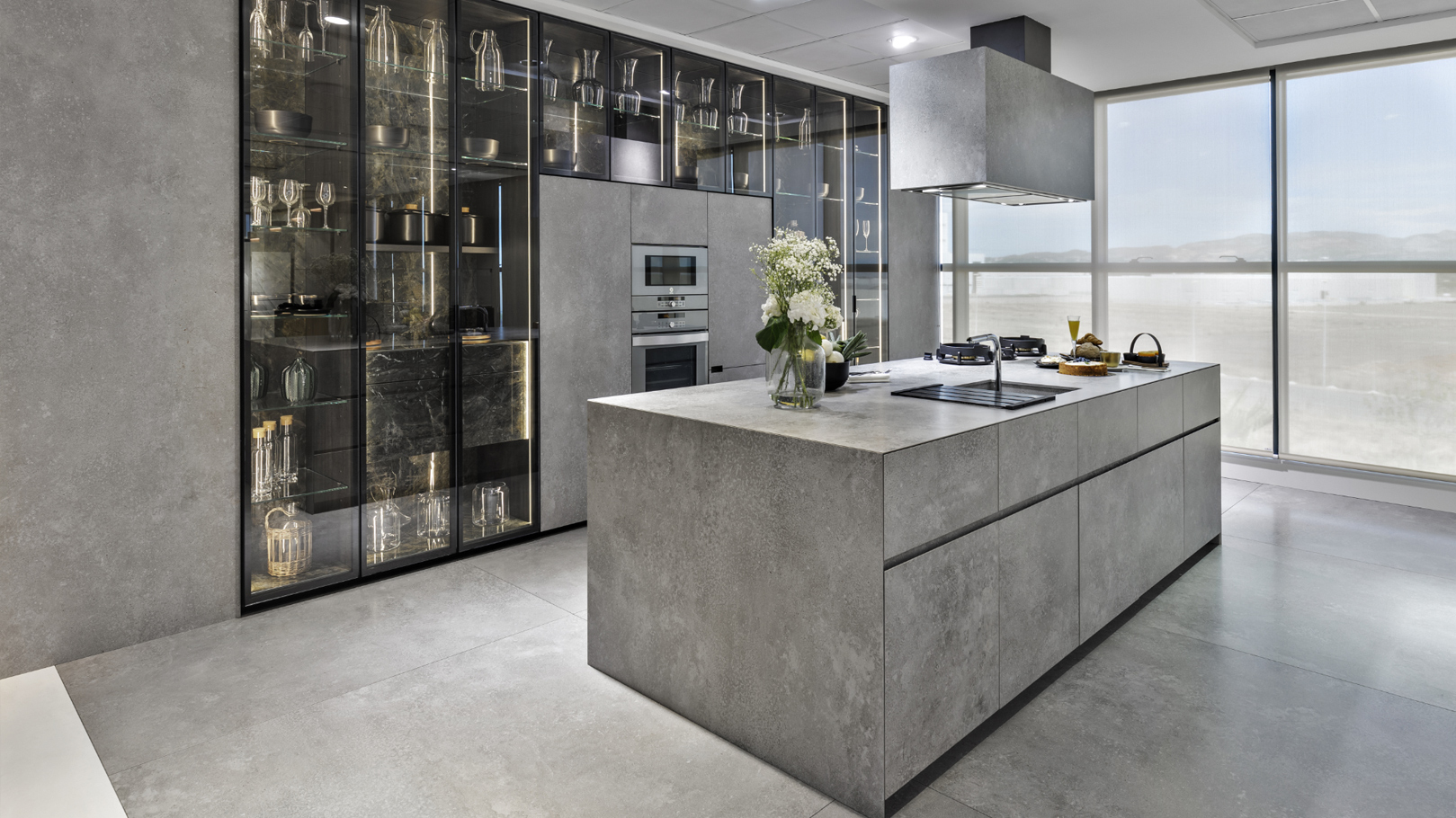
The installation site has a direct effect on the sculpture’s design. Share photographs, measurements, ceiling height, floor space, wall details, and access points. Mention indoor or outdoor use, along with exposure to sunlight, rain, wind, dust, or changing temperatures. The artist also benefits from details about nearby furniture, lighting, flooring, and architectural features.
Set the size and material
Give exact dimensions or a suitable size range. A sculpture for a hotel lobby may have different requirements from one designed for a garden or commercial entrance. Discuss material choices early. Fiberglass, metal, resin, stone, wood, and mixed materials all offer different finishes and practical qualities. Ask the artist to explain which option suits the project best.
Discuss the finish
Color, texture, gloss level, surface details, and protective coatings should appear in the brief. Reference photos can help when a specific visual result is desired. If the sculpture will sit outdoors, ask about weather resistance and surface protection. For indoor pieces, discuss cleaning and upkeep.
Set the budget and schedule
Give the artist a realistic budget range. Include production, finishing, packing, delivery, installation, and any special structural work. A clear budget helps the artist suggest suitable materials and production methods. Add the target completion date and installation date. Large sculptures may involve several production stages, so the schedule should allow time for reviews and adjustments.