





Architectural model makers create physical or digital representations of buildings and spaces. These models are used by architects, developers, and designers to show how a project may look once completed. Knowing how these professionals work helps clients, teams, and buyers better connect with a project during early stages.
Types of models:
Model makers in Dubai produce several types of models based on the project stage and purpose. Concept models are simple and focus on shapes or layout. Presentation models are detailed and made for meetings or exhibitions. Working models are used by project teams to study features, proportions, or designs before building starts.
Materials used:
Architectural model makers use a wide range of materials. These include foam board, acrylic, wood, cardboard, or 3D printed parts. The choice of material depends on the level of detail, model size, and project budget. Some models also include lighting, landscaping, and glass effects for added realism.
Tools and technology:
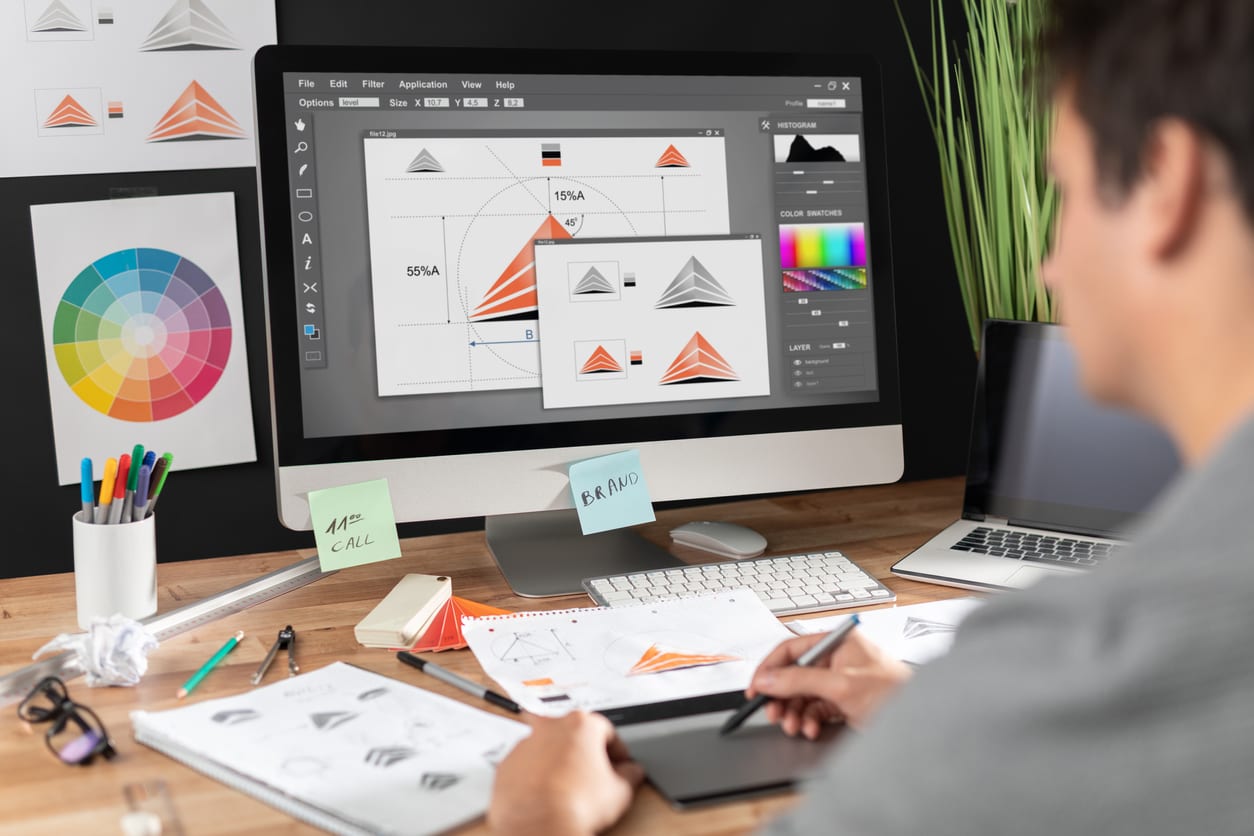
Many model makers now combine traditional craftsmanship with digital tools. They use laser cutters, 3D printers, and CAD software to create accurate parts. This mix allows faster production and cleaner details. Some also use software to plan pieces before assembling the final model by hand.
Scale and detail:
Each model is made to a specific scale, which shows how large or small the building is in real terms. A model’s detail depends on its purpose. For example, a marketing model may include fine textures, people, vehicles, and surroundings, while a concept model may only show shapes and layout.
Project collaboration:
Architectural model makers usually work closely with architects, engineers, or developers. They follow drawings, digital files, or sketches to create models that match the real design. Clear communication and updated information make the process smooth and reduce changes during production.
Time and cost factors:
The time to produce a model depends on its size, level of detail, and available data. Some models are completed in a few days, while others take weeks. More detailed models also cost more due to the materials, tools, and work hours involved. It’s always useful to discuss timelines and prices early.
Model purpose and use:
These models are used for exhibitions, client presentations, planning approvals, or internal reviews. They allow people to view a project from all angles and provide a clear sense of space. Some are permanent displays, while others are used only during a specific phase of development.