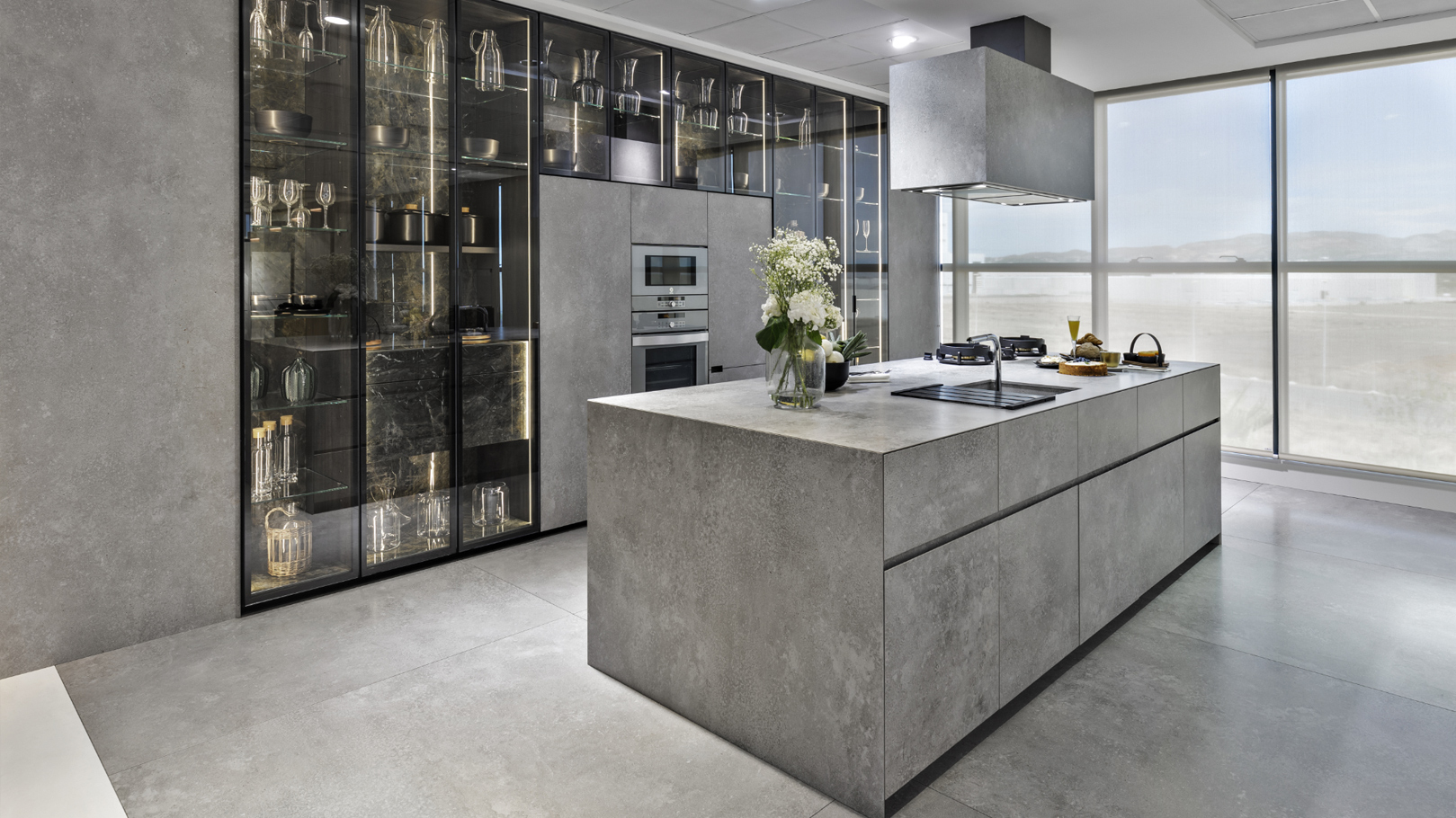







The decision to engage a professional design firm moves a home project from a series of individual purchases to a cohesive, strategic undertaking. These companies apply a structured process that combines creative vision with rigorous project management, converting existing spaces into environments that reflect client identity and improve daily function.
This professional methodology distinguishes the work of leading firms, including the varied interior design companies in Dubai.
From Concept to Cohesive Vision:
The initial phase involves deep consultation and conceptual development. Designers listen to client needs, preferences, and lifestyle requirements. They then translate this information into a unified concept, presented through mood boards, sample palettes, and preliminary sketches. This step establishes a clear creative direction, ensuring every subsequent decision from furniture shapes to fabric textures supports a single, harmonious idea. It prevents a piecemeal approach and gives the project a defined artistic identity from the start.
Mastering Space Planning and Flow:
Professional firms analyze a space with a technical eye. They produce detailed floor plans that optimize room layout for both circulation and use. This planning determines furniture placement, defines traffic patterns, and identifies functional zones within open-plan areas. Good space planning makes a home feel intuitive and comfortable; it ensures rooms serve their intended purpose without wasted areas or cramped passages, fundamentally altering how inhabitants move through and experience their home.
Curating Materials and Furnishings:
A design firm’s access to resources shapes the final quality of a space. They specify materials for durability, aesthetics, and feel, selecting from trade-only suppliers and skilled artisans. Their role involves curating all furnishings, fixtures, and finishes, ensuring each component aligns with the design concept and meets a standard of craftsmanship. This curated approach results in a home that feels intentionally composed, with a depth of detail often difficult to achieve through retail sourcing alone.
Managing the Technical Execution:
The transformation relies on seamless execution. Design companies oversee the entire implementation process. They coordinate contractors, manage delivery schedules, and conduct regular site inspections to maintain quality control. They handle the complexities of construction, from electrical plans for integrated lighting to the precise installation of custom millwork. This management shields clients from logistical burdens and ensures the design vision materializes accurately, on schedule, and within the agreed parameters.